How can we help you?
Lorem ipsum dolor sit amet.

Lorem ipsum dolor sit amet.

Lorem ipsum dolor sit amet, consectetur adipiscing elit.Pellentesque nisi erat, dapibus a interdum sit amet, lobortis vel nunc.Phasellus id euismod tortor, ut efficitur enim. Donec tincidunt mollis placerat

Lorem ipsum dolor sit amet.

Lorem ipsum dolor sit amet.

Lorem ipsum dolor sit amet, consectetur adipiscing elit.Pellentesque nisi erat, dapibus a interdum sit amet, lobortis vel nunc.Phasellus id euismod tortor, ut efficitur enim. Donec tincidunt mollis placerat

Lorem ipsum dolor sit amet.

Lorem ipsum dolor sit amet.

Lorem ipsum dolor sit amet, consectetur adipiscing elit.Pellentesque nisi erat, dapibus a interdum sit amet, lobortis vel nunc.Phasellus id euismod tortor, ut efficitur enim. Donec tincidunt mollis placerat

Lorem ipsum dolor sit amet.

Lorem ipsum dolor sit amet.

Lorem ipsum dolor sit amet, consectetur adipiscing elit.Pellentesque nisi erat, dapibus a interdum sit amet, lobortis vel nunc.Phasellus id euismod tortor, ut efficitur enim. Donec tincidunt mollis placerat

A Real Day in the Life of an Early Childhood Educator

April 27, 2026
Early childhood educator engaging with a young child during a pretend-play activity in a busy childcare classroom.

A day in the life of an early childhood educator is structured, active, and deeply relationship-based. From greeting families to supporting routines, learning through play, and documenting progress, ECEs help children feel safe, capable, and ready to learn – one moment at a time.

If you’re considering a career in childcare, you’ve probably wondered what the work actually feels like from start to finish. Not just the highlight moments, like story time or art projects, but the real day. The transitions. The teamwork. The emotional labour. The small wins that don’t show up in job descriptions.

A day in the life of an early childhood educator is busy, yes, but it’s also surprisingly intentional. The routines you see in a childcare classroom aren’t random. They’re designed to help young children feel secure, learn through play, and build the social and emotional skills they’ll carry into school and life.

This article walks you through what a typical day looks like, why routines matter, and what training teaches you to handle confidently.

What Is a Typical Day in the Life of an Early Childhood Educator?

Most ECE days follow a rhythm: arrival and welcome, learning through play, snacks and meals, outdoor time, rest periods, and end-of-day transitions.

But within that rhythm, the educator’s role is constantly active. ECEs are supervising, supporting, teaching, observing, redirecting, documenting, and communicating with families, often all within the same hour.

And because young children are still learning how to manage emotions, communicate needs, and interact with others, the educator’s calm presence becomes part of the learning environment itself.


What Happens During Morning Drop-Off and Arrival Time?

Morning drop-off is one of the most important parts of the day. It’s where trust is built, between children, families, and educators.

Some children run into the room excited. Others cling to a parent’s leg. Many need a predictable routine: hang up coat, wash hands, choose a quiet activity, and consistently say goodbye.

ECEs help children transition with warmth and structure. They also do quick check-ins with caregivers: How did the child sleep? Any changes at home? Anything to be aware of today?

 This early communication is part of professional practice, and it’s one reason the field values strong interpersonal qualities, as outlined here in the qualities of a successful Early Childhood Educator.

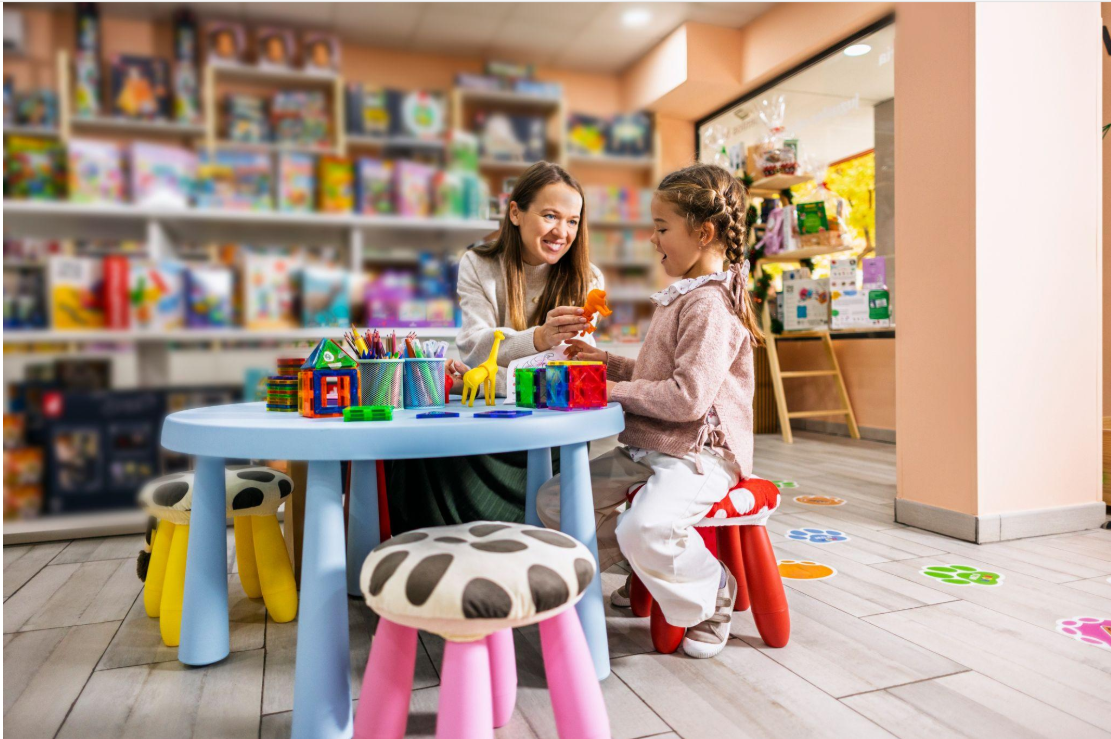
Early childhood educator helping a child explore colourful building toys during a hands-on learning activity.

What Are Examples of Daily Routines in Childcare?

Most childcare programs include routines such as:

  • free play and learning centres
  • circle time (songs, stories, group discussions)
  • snack and lunch
  • toileting and hygiene routines
  • outdoor play
  • quiet time or naps
  • transitions between activities
  • end-of-day pickup

To an adult, routines can look repetitive. To a child, routines are how the world becomes predictable.

Routines teach children how to take turns, follow steps, manage expectations, and feel safe in a group environment. They also help educators manage the classroom flow without chaos, especially when working with toddlers and preschoolers.


What Does Learning Through Play Look Like in Real Time?

Play-based learning is the heart of early childhood education. But it isn’t “free babysitting.” Educators intentionally set up activities that build language, motor skills, creativity, problem-solving, and social development.

For example, a simple block centre might support:

  • cooperation (“Can I have that piece when you’re done?”)
  • early math (“Which one is longer?”)
  • problem-solving (“How can we make this tower stable?”)
  • emotional regulation (“It fell down. Let’s try again.”)


During play, educators observe and guide, not control. They step in when needed, ask questions, and help children expand their learning without taking over.


What Happens During Snack, Meals, and Hygiene Routines?

Meals and snacks are about more than nutrition. They’re also opportunities for independence and social development.

ECEs help children learn routines like washing hands, sitting together, cleaning up, and trying new foods. They also support safe eating practices and monitor allergies and dietary restrictions.


Hygiene routines, like toileting, diapering, and handwashing, require professionalism, boundaries, and constant attention to safety. These are some of the areas where training is especially important, as educators must carefully follow policies and maintain children’s dignity at all times.


How Do ECEs Handle Challenging Moments During the Day?

Every classroom has moments that test patience. A child bites. Another child refuses to nap. Someone melts down during cleanup. Two children argue over the same toy.


ECEs respond by staying calm, ensuring safety, and helping children learn skills—not by punishing them for being developmentally young.


This is one of the biggest differences between “watching kids” and working as a professional educator. ECEs support emotional development in real time through consistent language, redirection, and co-regulation.


Early childhood educator reviewing observations and planning activities at a table with learning materials.

What Are the 5 R’s of Early Childhood Education?

While different programs may define them slightly differently, many educators refer to the 5 R’s as a guiding framework for child-centred care and learning.

A common way to understand them is:

  • Respect (treating children as capable learners)
  • Relationships (building trust and emotional safety)
  • Routines (creating predictability and security)
  • Responsiveness (meeting individual needs with care)
  • Reflection (continually improving practice and approach)


These principles show up throughout the day, from how educators speak to children, to how they structure transitions, to how they partner with families.


Why Documentation and Communication Matter at the End of the Day

 As the day winds down, ECEs prepare children for pickup, support transitions, and communicate with families. This may include sharing:

  • how the child ate and slept
  • social wins (“They made a new friend today”)
  • challenges (“We worked on gentle hands during play”)
  • reminders about supplies or upcoming events


Documentation also happens behind the scenes. Many childcare programs require observation notes, developmental tracking, incident reporting, and planning for future activities.


 According to the Government of Canada’s Job Bank, early childhood educators and assistants work across a wide range of tasks, including supervision, program planning, and developmental support.


Thinking About the Bigger Picture in Early Childhood Education?

 A day in the life of an early childhood educator is full of routines, but no two days are ever exactly the same. The work is hands-on, relationship-based, and deeply meaningful for people who want a career that makes a difference early in life.

 If you’re curious about where this career can lead, you may also enjoy this internal post: 10 Career Paths you can pursue with an Early Childhood Education Diploma


Key Takeaways

  • A day in the life of an early childhood educator follows a structured daily rhythm.m
  • Daily routines in childcare help children feel secure and ready to learn
  • Play-based learning is intentional and development-focused
  • Hygiene, meals, and transitions require professionalism and safety awareness
  • Documentation and family communication are essential parts of the role

Are you looking to kickstart your career in early childhood education? Our 50-week in-person Early Childhood Education (ECE) Diploma program, or 55-week evening hybrid/online option at Oxford International Career Colleges, provides in-demand training for future ECEs in Nova Scotia.


With guaranteed placements in a variety of childcare settings, you’ll gain valuable hands-on experience and the practical skills needed to make a lasting impact in young children’s lives. 

This blog was published by skothari.

Enhance Your English Skills with Oxford International

Checkout our other articles

Career Resources

Why Continuing Care Assistants are Essential to Quality Care

  • Published on: 30 June 2026
  • Author: By Nhadkar

Continuing Care Assistants (CCAs) are vital members of the healthcare team. They provide hands-on support with daily living, comfort, and emotional care, helping ensure safety, dignity, and quality of life for patients in long-term and community settings. Without their daily presence and compassionate care, healthcare systems would struggle to meet the needs of aging and vulnerable populations.

Uncategorized

NH TEST 2

  • Published on: 30 June 2026
  • Author: By Nhadkar

Lorem ipsum dolor sit amet. Lorem ipsum dolor sit amet, consectetur adipiscing elit.Pellentesque nisi erat, dapibus a interdum sit amet, lobortis vel nunc.Phasellus id euismod tortor, ut efficitur enim. Donec tincidunt mollis placerat Lorem ipsum dolor sit amet. Lorem ipsum dolor sit amet, consectetur adipiscing elit.Pellentesque nisi erat, dapibus a interdum sit amet, lobortis vel […]